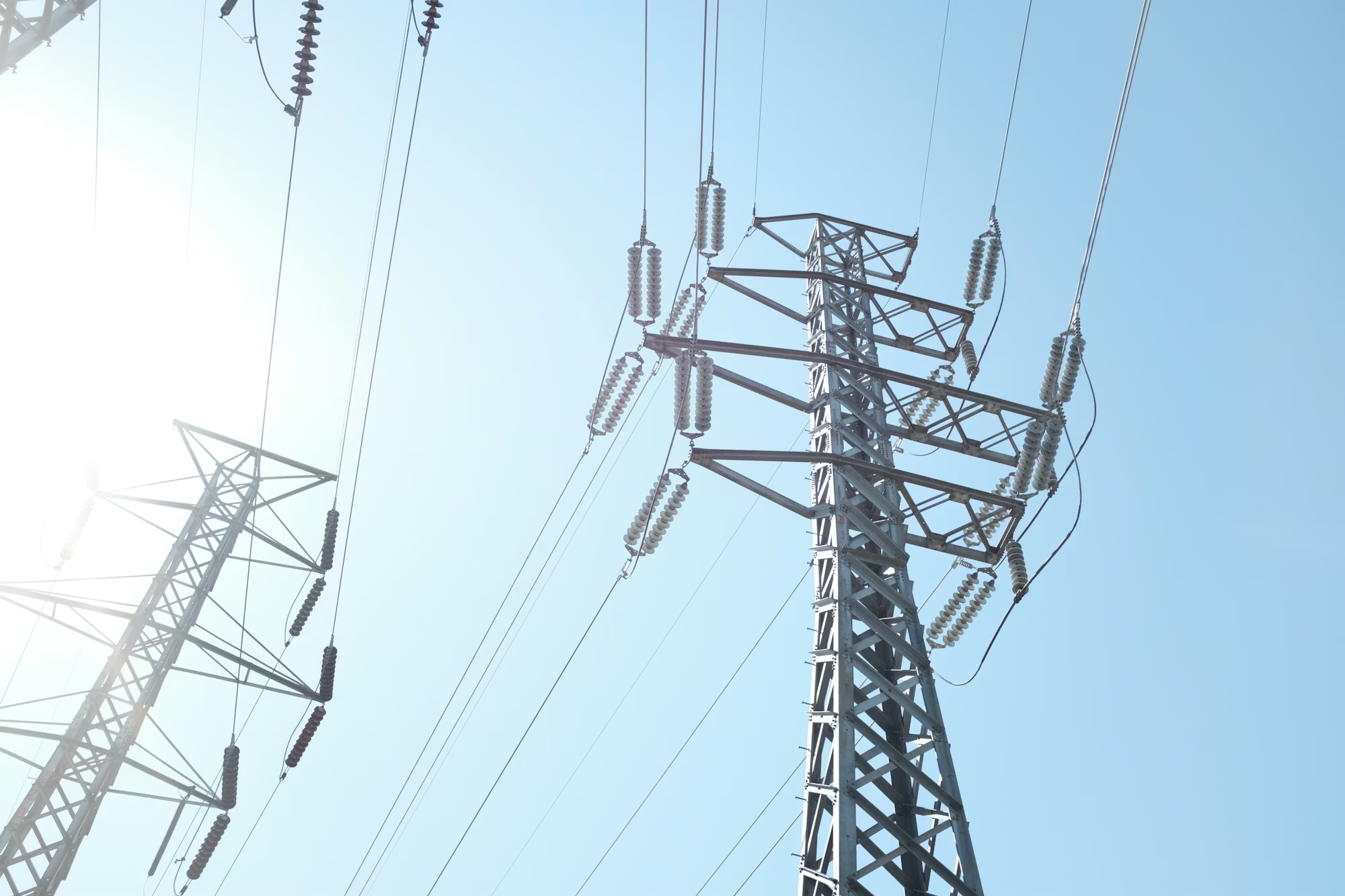
As the world grapples with the challenges of climate change and the depletion of fossil fuels, the shift towards renewable energy sources has never been more critical. Renewable energy, derived from natural processes that are replenished constantly, includes solar, wind, hydroelectric, geothermal, and biomass energy. This article explores the innovations in renewable energy technologies, their environmental benefits, and the economic opportunities they create, painting a comprehensive picture of a sustainable future.
The transition to renewable energy is driven by several factors, including the need to reduce greenhouse gas emissions, enhance energy security, and create jobs. According to the International Energy Agency (IEA), renewable energy is expected to account for a significant portion of global electricity generation by 2030. Among these sources, solar and wind energy have emerged as frontrunners, demonstrating remarkable growth and efficiency improvements in recent years.
Solar energy harnesses sunlight through photovoltaic (PV) cells, which convert light into electricity. The cost of solar technology has plummeted by over 80% since 2010, making it more accessible to consumers and businesses alike. Innovations in solar panel design, such as bifacial panels that capture sunlight on both sides, and solar tracking systems that adjust the panel’s angle to maximize exposure, are enhancing the efficiency of solar installations. Furthermore, advancements in energy storage technologies, such as lithium-ion batteries, enable homeowners and businesses to store excess solar energy for use during peak demand times or when sunlight is not available.
Wind energy is another powerhouse in the renewable sector, with onshore and offshore wind farms generating significant amounts of electricity. Recent advancements in turbine technology have led to larger, more efficient turbines capable of generating more power with less wind. Offshore wind farms, in particular, are experiencing rapid growth, as they can harness stronger and more consistent winds found over the ocean. Innovations such as floating wind turbines are expanding the potential for wind energy in deeper waters, where traditional fixed-bottom turbines are not feasible.
Hydropower, the most established form of renewable energy, utilizes flowing water to generate electricity. While large-scale hydropower projects have been instrumental in providing reliable energy, smaller-scale and run-of-the-river projects are gaining attention for their lower environmental impact. These smaller installations can provide clean energy without the need for large reservoirs, helping to preserve local ecosystems.
Geothermal energy taps into the Earth’s internal heat to generate electricity and provide direct heating. This reliable energy source has seen innovations such as enhanced geothermal systems (EGS), which allow access to geothermal resources in areas previously deemed unsuitable. As technology improves, geothermal energy could play a more significant role in the global energy mix, especially in regions with suitable geological conditions.
Biomass energy, derived from organic materials such as plant and animal waste, is another renewable resource that offers both energy and waste management solutions. Innovative processes are being developed to convert biomass into biofuels, biogas, and other forms of energy, creating a circular economy that reduces waste while producing clean energy. Advanced biofuel technologies, including algae-based fuels, have the potential to reduce greenhouse gas emissions compared to traditional fossil fuels.
The environmental benefits of renewable energy are profound. By transitioning to cleaner energy sources, we can significantly reduce our carbon footprint and mitigate the effects of climate change. According to the U.S. Environmental Protection Agency (EPA), switching to renewable energy could cut U.S. greenhouse gas emissions by up to 80% by 2050. Furthermore, renewable energy systems often require less water than fossil fuel-based systems, helping to conserve this precious resource.
Economically, the renewable energy sector is a significant job creator. According to the International Renewable Energy Agency (IRENA), employment in the renewable energy sector reached 12 million globally in 2020, with potential for continued growth. Jobs in solar installation, wind turbine maintenance, and energy efficiency retrofitting are just a few examples of the employment opportunities available. Furthermore, investments in renewable energy can stimulate local economies by attracting new businesses and fostering innovation.
Despite the clear benefits, transitioning to renewable energy comes with challenges. One of the primary concerns is the intermittency of sources like solar and wind, which can lead to fluctuations in energy supply. However, advancements in energy storage and grid management technologies are addressing these challenges, allowing for a more resilient energy infrastructure. Smart grids equipped with advanced monitoring and control systems can optimize energy distribution, ensuring a reliable supply even as the energy landscape evolves.
Policy support is also crucial in driving the transition to renewable energy. Governments around the world are implementing various measures to encourage the adoption of clean energy technologies, including tax incentives, renewable energy mandates, and investment in research and development. International agreements, such as the Paris Agreement, aim to unify efforts to combat climate change and promote sustainable energy practices.
The future of renewable energy is bright, with continued advancements in technology, growing public awareness, and increasing policy support. As we move forward, collaboration between governments, businesses, and communities will be essential to accelerate the transition to a sustainable energy future. By investing in renewable energy, we are not only addressing climate change but also creating a more resilient, equitable, and prosperous world.
In conclusion, renewable energy represents a pivotal solution to the challenges posed by climate change and resource depletion. Through innovations in solar, wind, hydroelectric, geothermal, and biomass technologies, we can harness the power of nature to create a cleaner, more sustainable future. The economic opportunities presented by the renewable energy sector are vast, promising job creation and economic growth. As we continue to explore and invest in these technologies, we can pave the way for a brighter, greener tomorrow.